
Market Intelligence
Afghan Zinc Ore: A Strategic Mineral Resource for Regional and International Markets
Afghanistan is a country with significant mineral potential and a strategically important geographic position between Central Asia, South Asia, the Middle East and China. Among the country's mineral resources, zinc ore represents an important opportunity for international mineral traders, processors, smelters and industrial buyers.
DB
Deal Box Team
Owner
August 27, 2026
5 min read
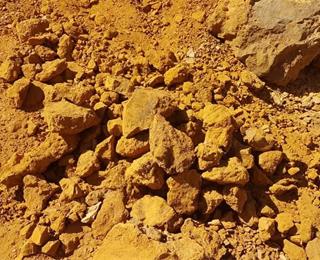
Afghan zinc ore has attracted increasing commercial interest because of the country's mineral resources, geographic location and proximity to several major industrial markets.
One of the notable sources of zinc ore is Bamiyan, where zinc-bearing mineral resources have been identified. Commercially available Afghan zinc ore can reach a 30–35% Zn grade, depending on the deposit, ore body and individual shipment.
For international buyers, Afghan zinc ore can represent an alternative source of zinc-bearing raw material for mineral processing, beneficiation, concentrate production and metallurgical applications.
What Is Zinc Ore?
Zinc ore is naturally occurring mineral material containing zinc-bearing minerals that can be processed to recover zinc.
The most important zinc mineral found in many deposits around the world is sphalerite (ZnS). Other zinc-bearing minerals can also occur depending on geological conditions.
Zinc ores may contain other economically or technically important elements, including:
Lead (Pb)
Iron (Fe)
Copper (Cu)
Silver (Ag)
Cadmium (Cd)
Sulfur (S)
Silica (SiO₂)
The commercial value of zinc ore depends not only on the zinc grade but also on the complete chemical composition, mineralogy, moisture, particle size and processing characteristics.
For international trade, zinc ores and concentrates are generally classified under HS Code 260800.
Afghan Zinc Ore
Afghanistan's geological environment contains a variety of metallic mineral deposits, including occurrences of lead and zinc.
Zinc-bearing mineralization has been identified in different parts of Afghanistan, including areas of Bamiyan, Ghor, Kandahar, Paktia and other regions.
Among these areas, Bamiyan is of particular interest for zinc-related mineral resources.
Afghan zinc ore can vary considerably from one deposit to another. Therefore, buyers should evaluate each material based on its actual geological source and laboratory analysis.
A commercially available Afghan zinc ore product from Bamiyan can be offered with a zinc grade in the range of approximately:
30–35% Zn
This grade can make the material potentially attractive for buyers looking for relatively high-grade zinc-bearing ore.
However, the exact commercial grade should always be confirmed through a laboratory assay for the specific shipment.
Why Afghan Zinc Ore Matters
Afghanistan's zinc opportunity is based on more than the existence of mineral resources.
The country has a strategic geographic position.
Afghanistan is connected geographically to:
China
Pakistan
Iran
Turkmenistan
Central Asia
and, through regional trade routes, markets toward Turkey and Europe.
This position creates the potential for Afghanistan to participate in regional mineral supply chains.
For international buyers, proximity to regional markets can be important because transportation costs are a major factor in bulk mineral trading.
Zinc: An Essential Industrial Metal
Zinc is one of the world's most important non-ferrous metals.
Its largest application is the protection of steel against corrosion through galvanization.
Galvanized steel is widely used in:
Construction
Infrastructure
Automotive manufacturing
Bridges
Industrial equipment
Power infrastructure
Agricultural equipment
Roofing
Pipelines
Manufacturing
Zinc Alloys
Zinc is combined with other metals to produce alloys used in manufacturing.
Die Casting
Zinc alloys are widely used for producing precision components and industrial parts.
Brass Production
Zinc is an essential component of brass, an alloy of copper and zinc.
Chemical Industries
Zinc compounds are used in various chemical and industrial applications.
Battery Technology
Zinc is also used in several battery technologies and energy-storage applications.
Because of these applications, demand for zinc is closely connected to industrial production, construction and infrastructure development.
Why Buyers Look for New Zinc Sources
International mineral buyers generally seek reliable sources for several reasons.
First, mineral processing and smelting facilities require continuous raw-material supply.
Second, buyers often want to diversify their supply chains and reduce dependence on a limited number of suppliers or countries.
Third, transportation distance and logistics can have a significant effect on the final cost of mineral feedstock.
Afghanistan's location allows it to potentially serve several markets across the region.
This creates an opportunity for Afghan zinc ore to become part of a diversified regional supply chain.
China: The Largest Opportunity
China is one of the world's most important markets for zinc and zinc-bearing raw materials.
The country has a large industrial base covering:
Steel
Construction
Automotive manufacturing
Machinery
Electronics
Chemical industries
Non-ferrous metals
Mineral processing
Zinc smelting
China is also the world's largest importer of zinc ores and concentrates.
In 2024, China imported approximately 4.08 billion kilograms of zinc ores and concentrates, with an import value of approximately US$4.38 billion.
This enormous import market demonstrates the scale of China's demand for zinc-bearing raw materials.
Afghan Zinc Ore and China
For Chinese mineral processors and traders, Afghan zinc ore could provide an additional regional supply source.
A potential commercial relationship would depend on:
Zn grade
Lead content
Iron content
Copper content
Silver content
Moisture
Particle size
Mineralogy
Available volume
Transportation cost
Import requirements
Final delivered price
For a 30–35% Zn ore, laboratory verification and economic evaluation are essential before determining its suitability for a specific Chinese processing facility.
Pakistan: A Natural Regional Market
Pakistan is geographically one of the closest major markets to Afghanistan.
This creates an important advantage for bulk mineral trade.
Pakistan already has experience importing zinc-bearing material from Afghanistan.
According to international trade data, Pakistan imported approximately 8.2 million kilograms of zinc ores and concentrates from Afghanistan in 2022, valued at approximately US$1.59 million.
This historical trade demonstrates that Afghan zinc ore has already participated in commercial cross-border trade.
Pakistan has industries and companies involved in:
Mineral trading
Mineral processing
Metallurgy
Zinc-related production
Export
Industrial raw materials
Pakistan can therefore represent both a destination market and a potential processing or trading hub for Afghan zinc ore.
Iran: A Major Industrial Neighbor
Iran is another strategically important market for Afghan zinc ore.
The two countries share a border and have established commercial relationships across multiple sectors.
Iran has developed capabilities in:
Mining
Mineral processing
Metallurgy
Zinc production
Steel
Non-ferrous metals
Industrial manufacturing
Iran also has experience in international trade of zinc ores and concentrates.
For Afghan suppliers, the Iranian market can provide opportunities for supplying raw mineral material to processors and traders.
The commercial attractiveness of an Afghan zinc ore shipment for Iranian buyers depends on:
Grade + Impurities + Quantity + Logistics + Price + Processing Compatibility
Iran can also provide a potential connection between Afghan mineral resources and markets farther west.
Turkmenistan: Connecting Afghanistan with Central Asia
Turkmenistan is located directly north of Afghanistan and provides an important geographical connection between Afghanistan and Central Asia.
Although Turkmenistan is not comparable with China in terms of zinc consumption, its strategic importance comes from its geographic position.
Potential opportunities include:
Regional mineral trade
Cross-border logistics
Central Asian distribution
Industrial raw materials
Transit routes
Regional trading partnerships
A stronger mineral trade relationship between Afghanistan and Turkmenistan could potentially contribute to the development of broader Central Asian supply networks.
However, individual transactions must comply with applicable customs, import, export, transportation and regulatory requirements.
Turkey: A Bridge Between Asia and Europe
Turkey is an important industrial and trading country located between Asia and Europe.
Its economy includes major sectors such as:
Construction
Automotive
Steel
Machinery
Manufacturing
Mining
Metallurgy
Turkey is also active in the international trade of zinc ores and concentrates.
In 2024, Turkey imported approximately 8.45 million kilograms of zinc ores and concentrates, valued at approximately US$3.95 million.
Iran was one of the most important suppliers to the Turkish market, demonstrating the existence of an active regional supply route for zinc-bearing materials.
Turkey can therefore be considered not only as a potential destination market but also as part of a wider Asia–Europe mineral supply chain.
For Afghan suppliers, reaching Turkish buyers would require competitive logistics, appropriate product specifications, reliable documentation and commercially attractive pricing.
The Importance of a 30–35% Zinc Grade
Zinc grade is one of the most important factors in evaluating zinc ore.
A zinc grade of 30–35% Zn means that approximately 30–35% of the material's measured composition is zinc by weight, subject to the applicable laboratory assay methodology.
This level of zinc content can be commercially interesting for mineral processors.
However, zinc grade alone does not determine the final value.
Two ores with the same Zn percentage may have very different commercial values because of differences in:
Lead
Iron
Copper
Silver
Cadmium
Arsenic
Silica
Sulfur
Moisture
Mineralogy
Recovery rate
Processing requirements
For this reason, international buyers should always evaluate the complete assay rather than purchasing based only on the headline Zn percentage.
Chemical Analysis and COA
A Certificate of Analysis (COA) is one of the most important documents in professional mineral trading.
A typical zinc ore analysis may include:
Zn — Main commercial metal
Pb — Potential associated metal
Fe — Processing consideration
Cu — Associated mineral
Ag — Potential by-product value
Cd — Important impurity
As — Important impurity
SiO₂ — Processing consideration
S — Metallurgical consideration
Moisture — Shipment and pricing
Particle Size — Processing requirement
For serious international transactions, the buyer may also request an independent inspection and sampling procedure.
The final commercial settlement can be based on the verified laboratory result of the shipment.
Processing Afghan Zinc Ore
The appropriate processing method depends on the mineralogy and chemical characteristics of the ore.
A typical mineral-processing chain may include:
Mining
↓
Crushing
↓
Grinding
↓
Screening
↓
Mineral Separation
↓
Flotation / Beneficiation
↓
Zinc Concentrate
↓
Smelting
↓
Refined Zinc
Not every zinc ore requires the same process.
The optimal recovery method must be determined through geological, mineralogical and metallurgical testing.
For this reason, buyers and processors should conduct appropriate technical evaluation before committing to large-scale purchases.
Zinc Ore vs. Zinc Concentrate
It is important for international buyers to understand the difference.
Zinc Ore
Zinc ore is mineral material extracted from a deposit that contains zinc-bearing minerals.
Zinc Concentrate
Zinc concentrate is a processed product in which the concentration of zinc-bearing minerals has been increased through beneficiation.
The two products have different commercial specifications, processing requirements and pricing structures.
Afghan suppliers can potentially create additional value by developing beneficiation and concentration capabilities within the country.
The Opportunity for Afghan Mineral Development
Afghanistan's mineral sector has the potential to move beyond the export of unprocessed raw materials.
A long-term development strategy could involve:
Mining → Processing → Concentration → Metallurgy → Refined Metals → Manufacturing
Developing local processing can potentially create:
Higher value-added exports
Skilled employment
Industrial development
Technology transfer
Local supply chains
Increased government revenue
Stronger export capacity
International companies can potentially participate through:
Joint ventures
Mining investment
Processing plants
Equipment supply
Technical partnerships
Offtake agreements
Mineral trading
Logistics partnerships
All investment opportunities should be evaluated through independent technical, legal, environmental and financial due diligence.
Logistics and Regional Trade
For bulk mineral commodities, logistics can determine whether a transaction is commercially viable.
The final price of Afghan zinc ore can be influenced by:
Mine location
Loading point
Road conditions
Border crossing
Transportation distance
Destination
Packaging
Insurance
Customs requirements
Inspection costs
International freight
The major potential routes can broadly connect Afghanistan with:
Pakistan → South Asia
Iran → Middle East and West Asia
Turkmenistan → Central Asia
China → East Asia
Iran / Central Asia → Turkey and European markets
The most economical route depends on the specific mine, destination and commercial terms.
What International Buyers Should Consider
Before purchasing Afghan zinc ore, professional buyers should evaluate five major areas.
1. Quality
The buyer should obtain a recent laboratory analysis.
2. Quantity
The available quantity and sustainable monthly supply should be confirmed.
3. Processing
The buyer should determine whether the ore is compatible with its processing technology.
4. Logistics
The complete transportation route should be evaluated.
5. Commercial Terms
The buyer and seller should agree on:
Price
Quantity
Payment terms
Inspection
Delivery terms
Incoterms
Packaging
Shipment schedule
Quality settlement
Why Long-Term Supply Agreements Matter
Industrial processors generally need consistent raw-material supply.
A one-time shipment can demonstrate product quality, but long-term supply agreements can create greater commercial value for both buyers and suppliers.
A successful long-term supply relationship should be based on:
Consistent Quality
Reliable Volume
Transparent Assays
Predictable Logistics
Competitive Pricing
Professional Documentation
This approach can transform Afghan zinc ore from a commodity transaction into a long-term industrial supply relationship.
Afghanistan's Strategic Position in the Regional Zinc Market
Afghanistan has the potential to become part of a broader regional mineral supply network.
Its location gives it access to several major economic regions:
East
China
South
Pakistan
West
Iran and Turkey
North
Turkmenistan and Central Asia
This geographical position provides Afghanistan with multiple potential export directions instead of dependence on a single market.
For international buyers, this geographic diversity can also create opportunities to evaluate different logistics routes and destinations.
Afghan Zinc Ore: Key B2B Markets
China — World's largest zinc ore and concentrate import market
Pakistan — Close regional market with documented Afghan imports
Iran — Industrial, processing and regional trading market
Turkmenistan — Central Asian trade and logistics connection
Turkey — Major industrial market connecting Asia and Europe
The Future of Afghan Zinc
The future opportunity for Afghan zinc is not limited to exporting raw ore.
The greater opportunity is the development of an integrated mineral value chain.
Afghanistan can potentially develop capabilities in:
Exploration
→ Mining
→ Processing
→ Concentration
→ Metallurgy
→ Refining
→ Industrial Manufacturing
Such development could allow Afghanistan to capture more value from its mineral resources while creating new opportunities for domestic and international investment.
Conclusion
Afghan Zinc Ore represents an important opportunity within Afghanistan's mineral sector.
With zinc-bearing resources, a strategic geographic position and access to several major regional markets, Afghanistan has the potential to participate more actively in the international zinc supply chain.
The 30–35% Zn grade associated with zinc ore from Bamiyan makes the material potentially attractive to mineral processors and industrial buyers, subject to shipment-specific laboratory verification and complete chemical analysis.
The strongest potential markets include:
China, with its enormous demand for imported zinc ores and concentrates;
Pakistan, with its geographical proximity and documented history of importing zinc ore from Afghanistan;
Iran, with its established mining and metallurgical industries;
Turkmenistan, as a potential connection to Central Asian markets; and
Turkey, with its industrial capacity and position between Asian and European markets.
For international buyers, the most important factors remain:
Verified Quality
Reliable Supply
Competitive Pricing
Professional Documentation
Efficient Logistics
Transparent B2B Transactions
Afghanistan's zinc resources can become more than a source of raw minerals. With investment in exploration, processing, infrastructure and international partnerships, zinc can contribute to the development of a stronger Afghan mineral industry and a more connected regional supply chain.
Global
About the Author
DB
Deal Box Team
Owner